I like to build things that people do not just look at, but actually use.
How I build
Most of my favourite projects are somewhere between interactive exhibit, playful experiment and slightly overengineered prototype: you push a button, steer a kart, enter a spaceship, and something lights up, rumbles, sprays water or starts a story. For me, that is the sweet spot where technology stops being abstract and becomes something you can touch, understand and play with. I think the perfect ecosystem for this are things such as science centers, children’s museums and other third spaces: places where visitors are allowed to touch things, try them out, fail safely, laugh, and accidentally learn something on the way.
Coming from a Cognitive Science background, over the last years I moved from pure software and machine learning towards work I can actually touch: microcontrollers, LEDs, sensors, relay boxes, 3D-printed parts and wooden structures that hold everything together for days in a row on a festival or in an installation. Technically, I am comfortable with ESP32 and Raspberry Pi, OSC, Art-Net/DMX and Python backends. Practically, I care about things being robust, resettable and understandable for the people who run them.
Sample Projects that translate well to museums
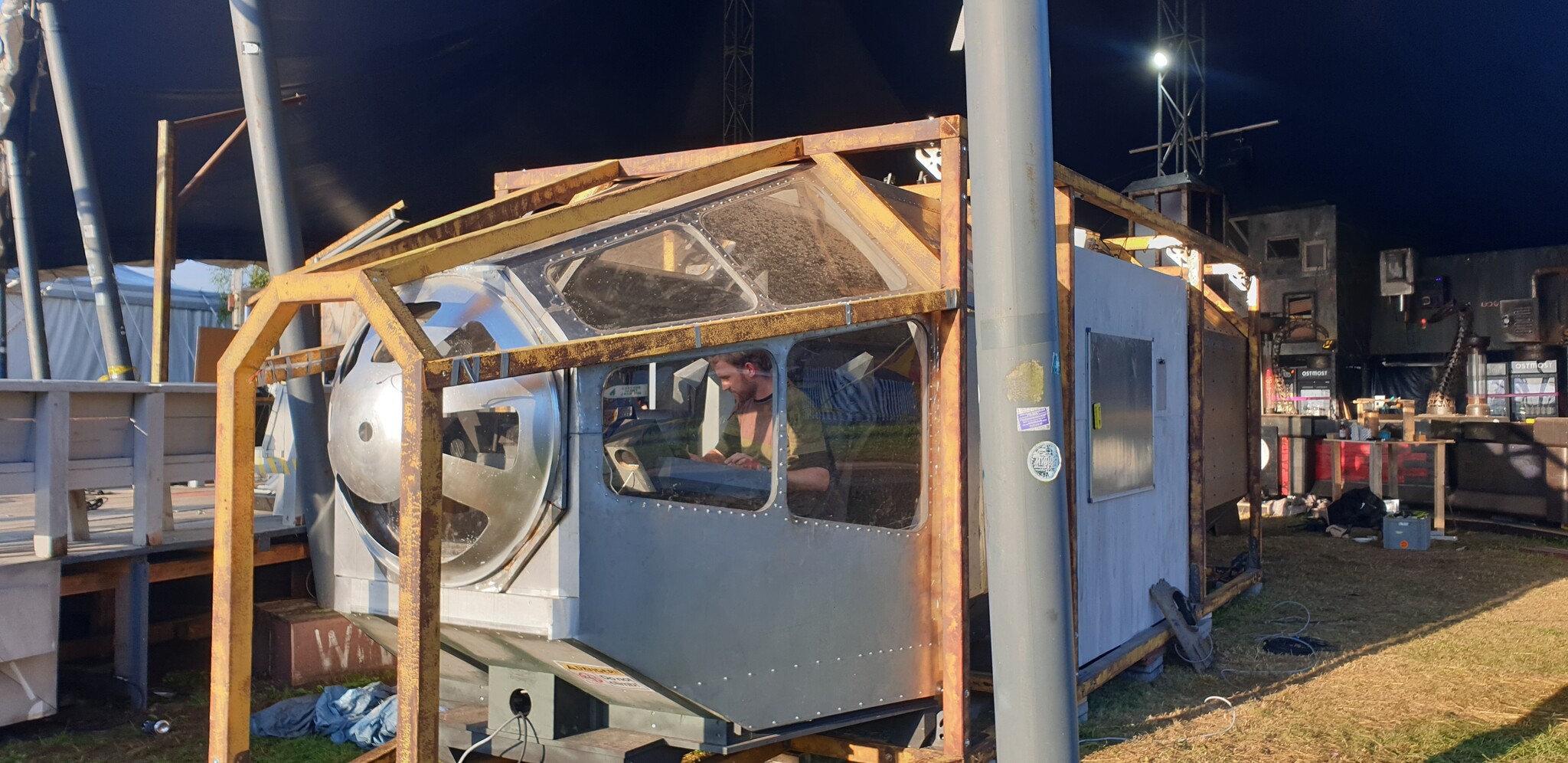
The Palapian’s Spaceship is a fully boardable, story-driven cabin where visitors complete missions using physical modules: joysticks, buttons, cable boards and glowing panels. It is built to run for long stretches with a constant stream of people.
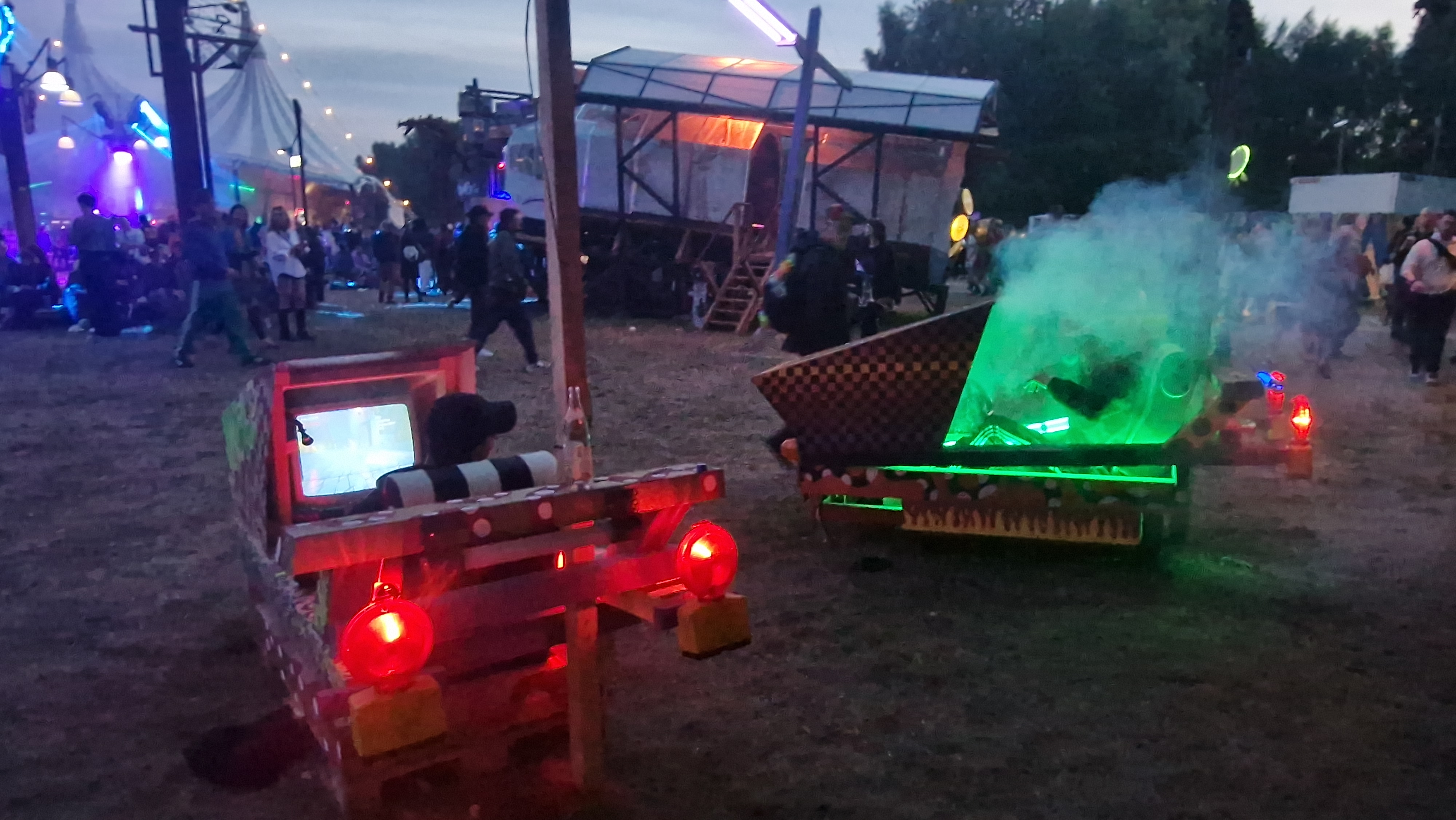
Tux-Kart with Real-Life Powerups connects an open source racing game to physical effects at the players’ seats. In-game items trigger fog, water, sound and moving parts. On the surface it is just silly fun, but the interaction is immediate and very “hands-on”.
What both projects have in common is the way they are built: festival proof hardware, simple and inspectable electronics, and a clear separation between content, control and infrastructure. That same approach works just as well for museum or science center contexts, where uptime, safety and maintainability matter as much as the playful idea itself.
My toolbox
- ESP32, Raspberry Pi, sensors, actuators, LEDs
- OSC, Art-Net/DMX, ethernet control
- 3D printing for mounts and enclosures - CAD with Blender, Sketchup, or Fusion360
- Python and C/C++ (and sometimes Unity / TouchDesigner)
On the human side, I enjoy explaining what is going on behind the scenes just as much as building it. In university teaching, workshops and festival builds I regularly find myself in the role of the person who both wires things up and explains them to others in a way that makes them want to try it themselves.
If you are looking for someone who can help design and implement interactive stations, prototypes or small worlds where visitors actively do something instead of only reading text panels, this is where I feel at home.
Some projects along these lines
The Palapian's Spaceship
An interactive, networked spaceship you can actually board: players complete (or sabotage) missions across a dozen physical interfaces - buttons, joysticks, LED boards, sensors, etc - to either launch the ship or doom it, with everything driven by a Python/ESP/Unity stack. It’s modular, auto-resets regularly, and scales to festival crowds without manual babysitting.
Tux-Kart with Real-Life Powerups
Festival Installation where two people play OSS-Mariokart, but instead of Koopas the in-game items squirt water or fog at the opponent or hit with the Poolnudelschlagapparat.
Relay-Boxes
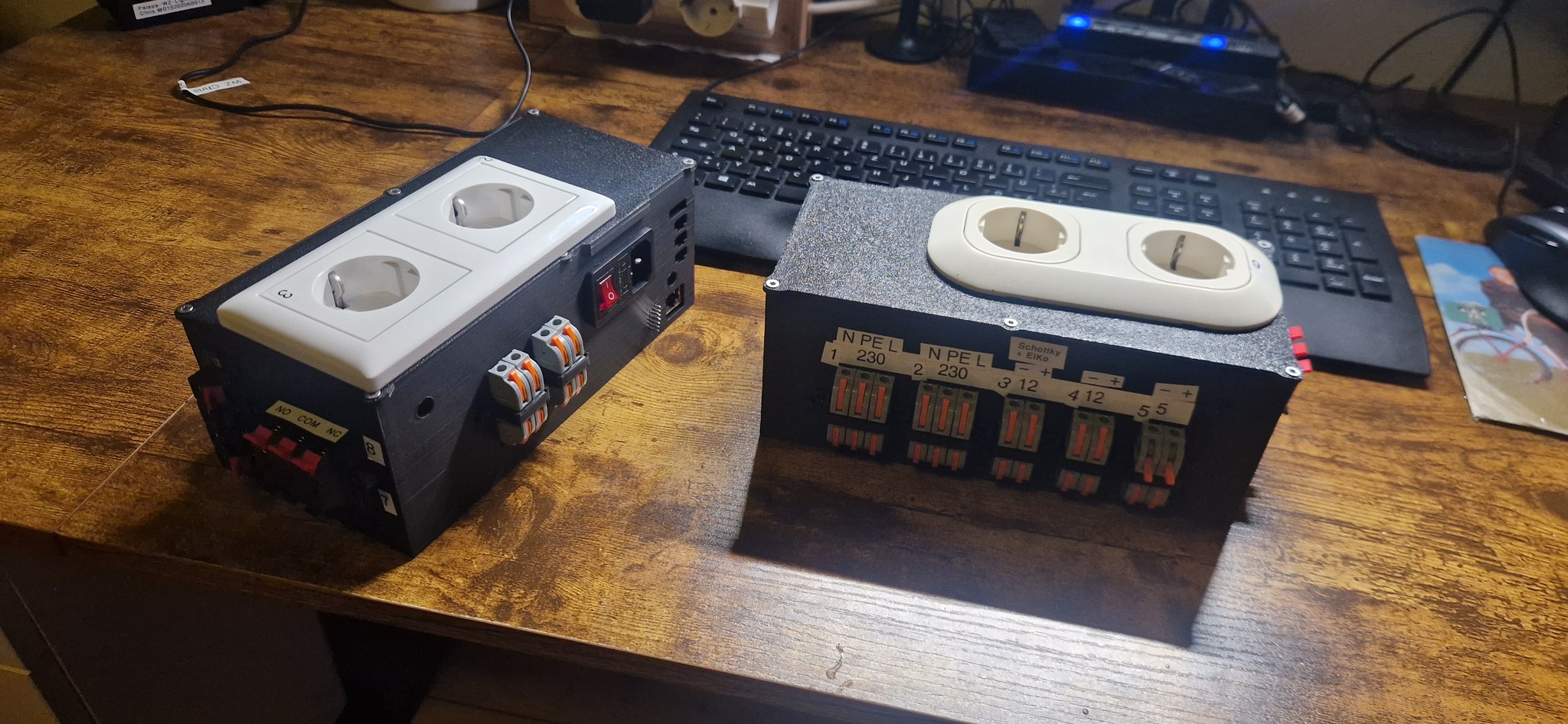
A universal relay box for interactive builds: Ethernet-controlled with an integrated PSU, switching 230V, 12V, 5V and dry relays via OSC or Art-Net. I use it across projects like my Supertuxkart and the Palapa Spaceship to drive lights, fog, motors, and effects with simple, robust control.
Moyn Leierkasten
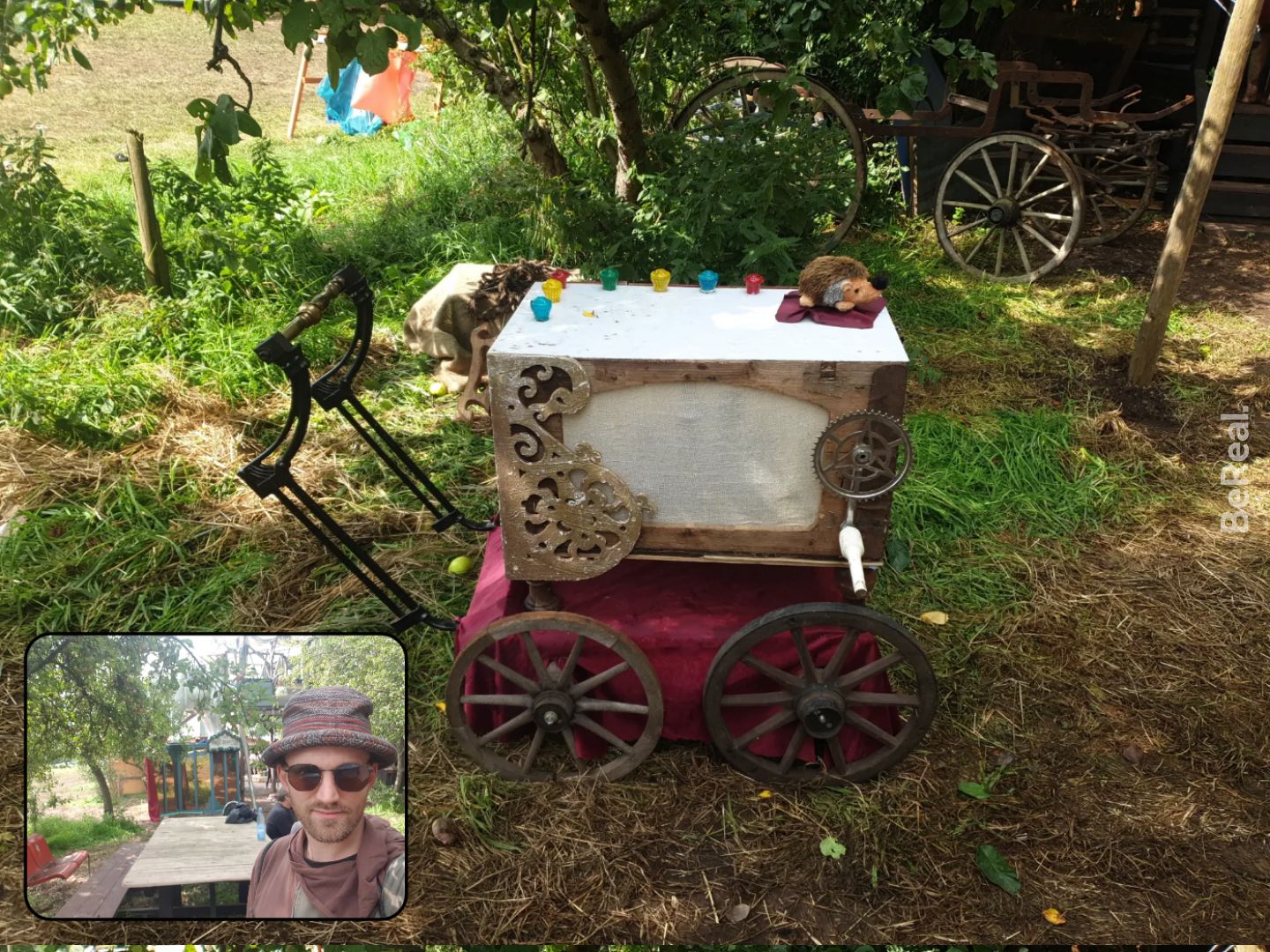
A digital version of a leierkasten build out of scrap material, implemented using a microcontroller and a Raspberry Pi
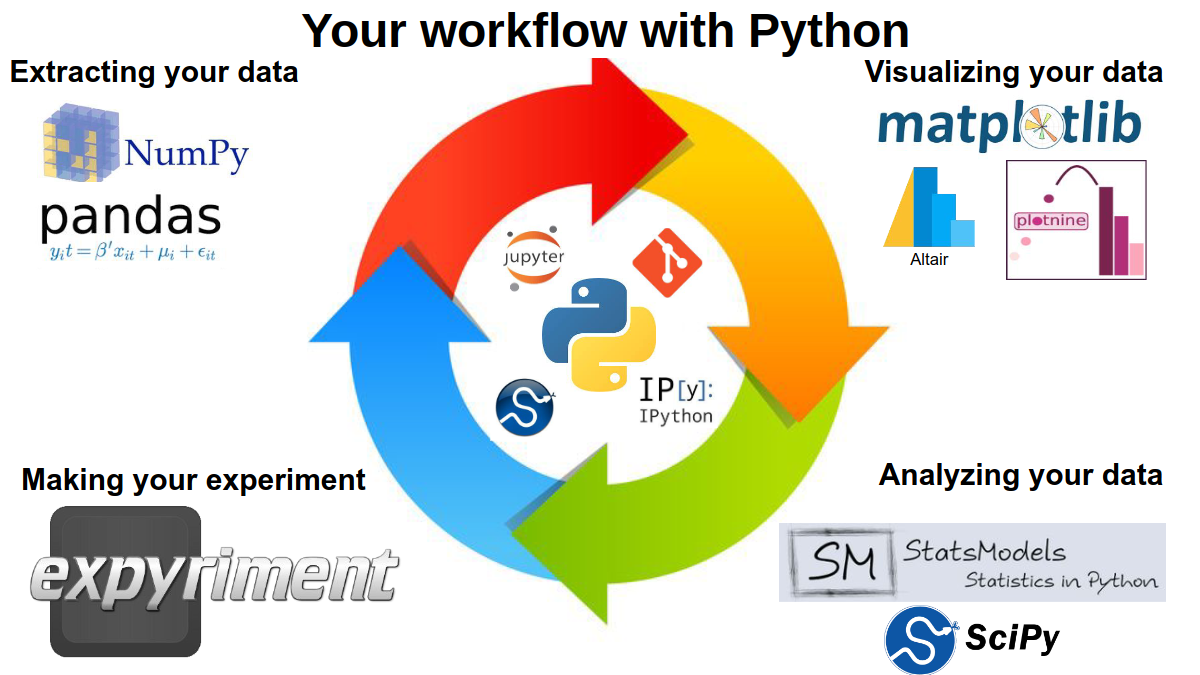
Lectures on Scientific Programming in Python
A comprehensive course, with lectures and interactive assignments, about Scientific Programming in Python, offered for three years at the University of Osnabrück.
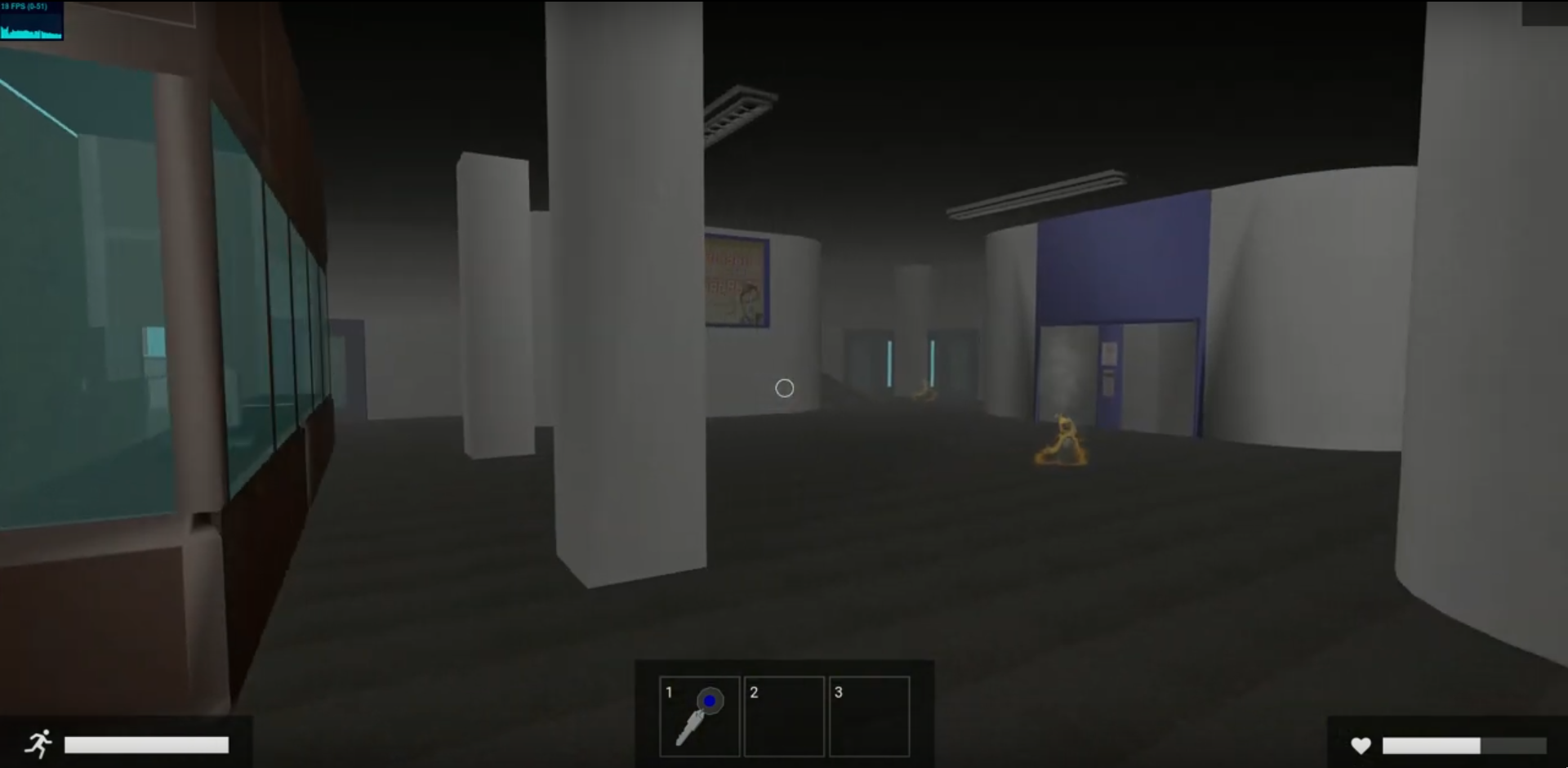
3D-Game: AVZ-Run
In this 3D-Browser-Game developed in a computergraphics-project using THREE.js, the player is trapped in the infamous burning AVZ and must try to escape this inferno. The player controls the in-game character and must overcome obstacles, puzzles and traps to get to the bottom and out of the AVZ. Play here!