The Confessional
A confessional box at Walden Festival 2026 where visitors confess their sins to a local AI priest, who grants absolution - and forwards the sins, anonymized and retold in an angel’s voice, to the Holy Toilet.
Interactive installations, software, and things I've built.
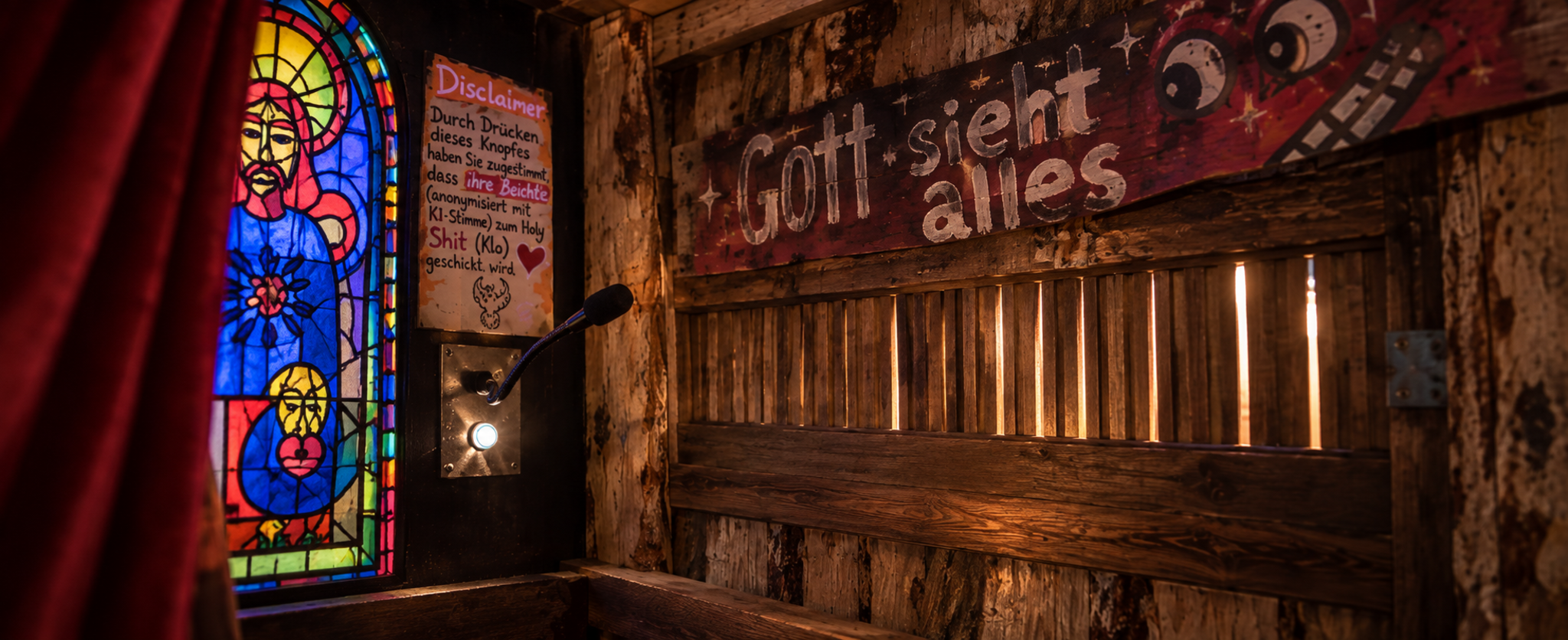
A confessional box at Walden Festival 2026 where visitors confess their sins to a local AI priest, who grants absolution - and forwards the sins, anonymized and retold in an angel’s voice, to the Holy Toilet.
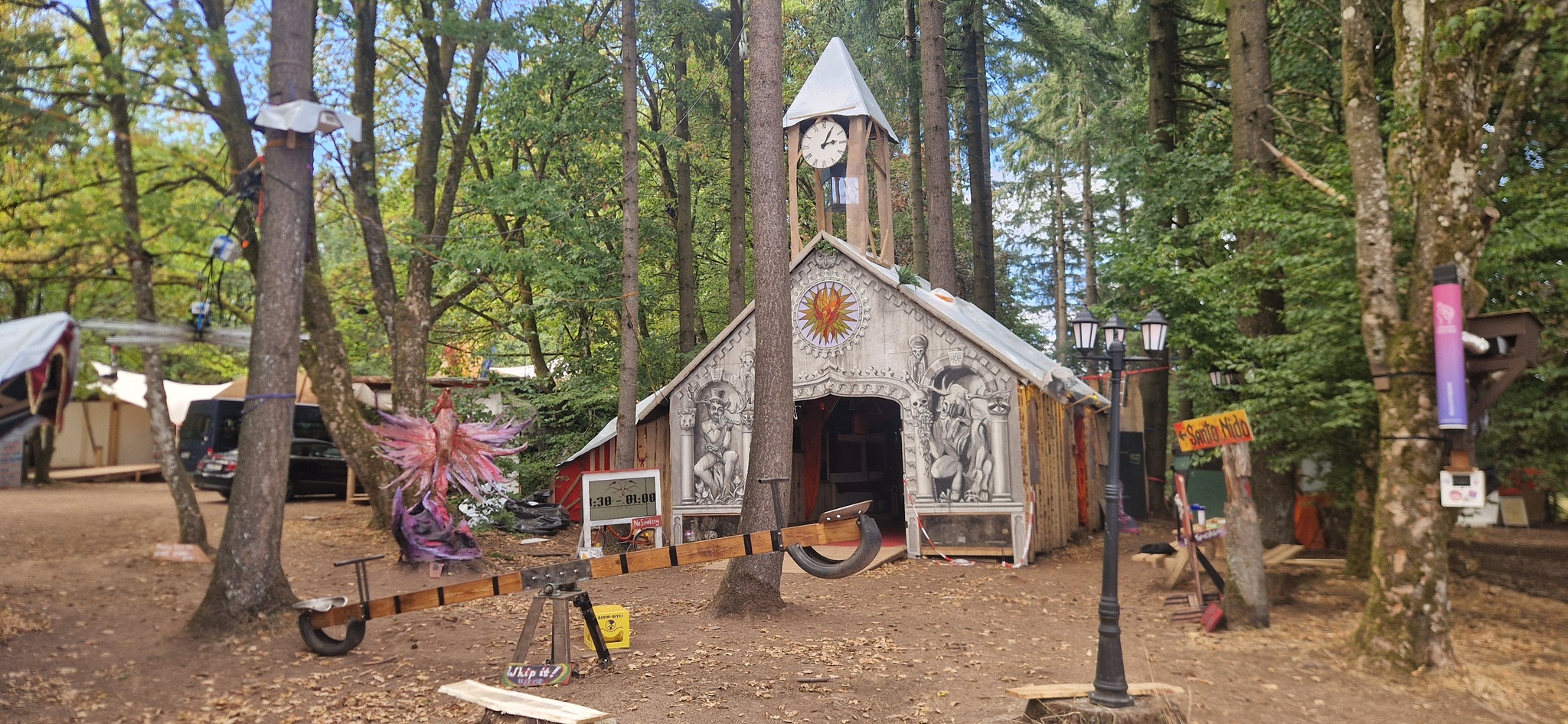
This year, our Walden floor at Zugvögel became Santo Nido: a church dedicated to a phoenix sect. Stained-glass windows, holy birds, an AI confessional, and a tower-clock that goes wild with the music. A lot of religious nonsense, and so much love for detail.
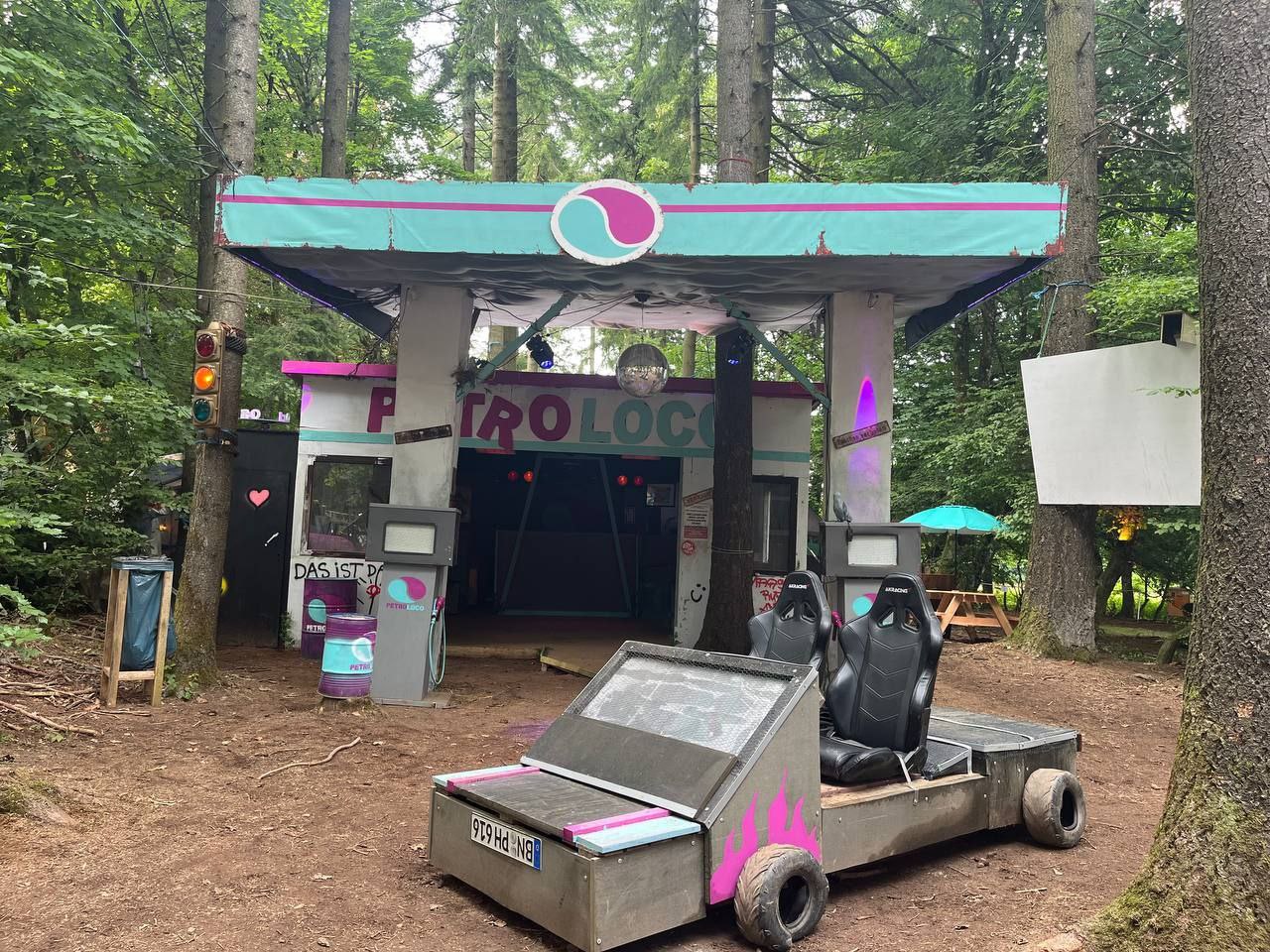
This year, our Walden Floor transformed into the PetroLoco gas station that has been the site of a battle between the oil oligarchs and the ecological fraction. Next to the floor and the usual interactive installations, you could also play real-life Tuxkart here.
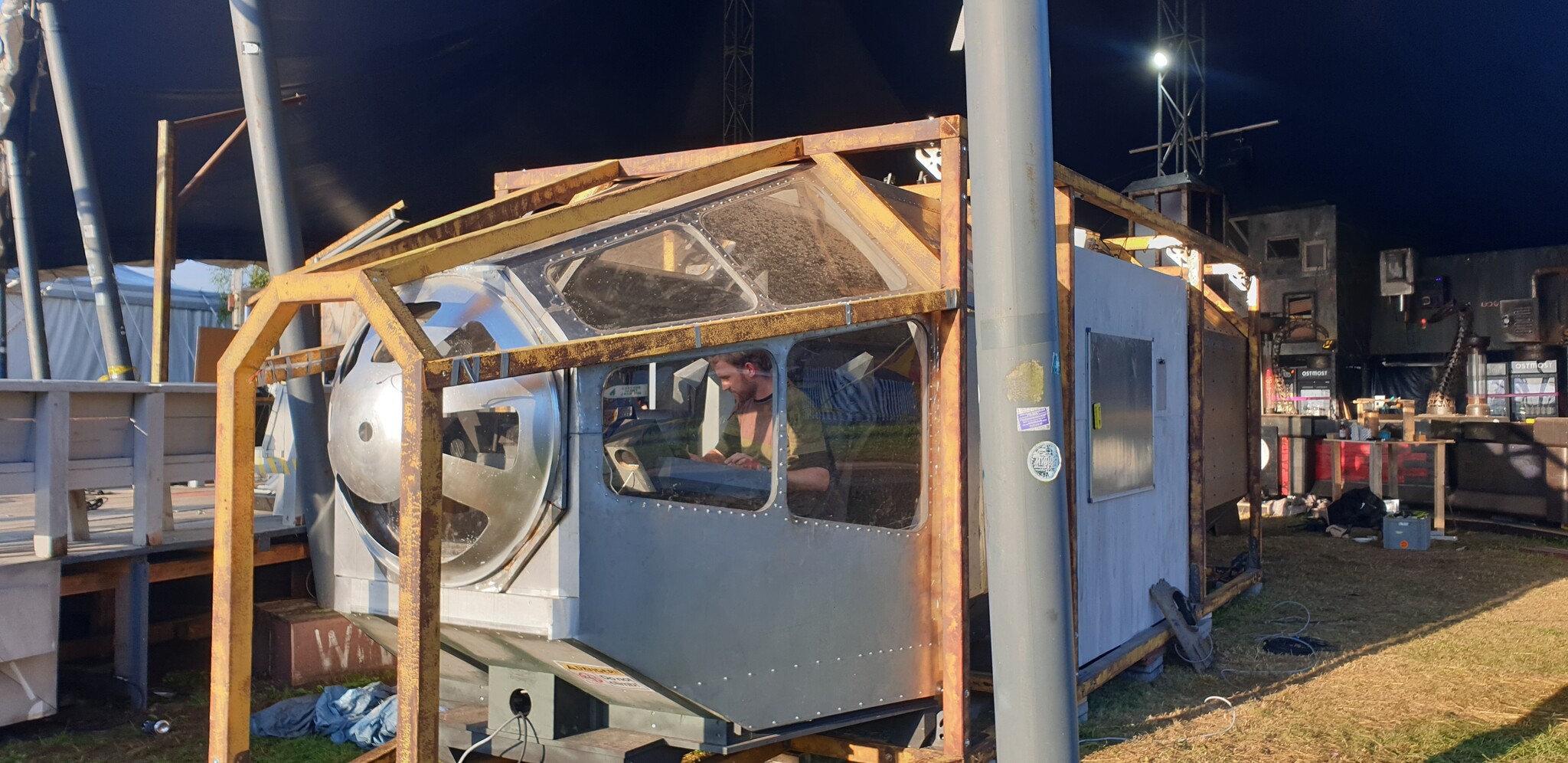
An interactive, networked spaceship you can actually board: players complete (or sabotage) missions across a dozen physical interfaces - buttons, joysticks, LED boards, sensors, etc - to either launch the ship or doom it, with everything driven by a Python/ESP/Unity stack. It’s modular, auto-resets regularly, and scales to festival crowds without manual babysitting.
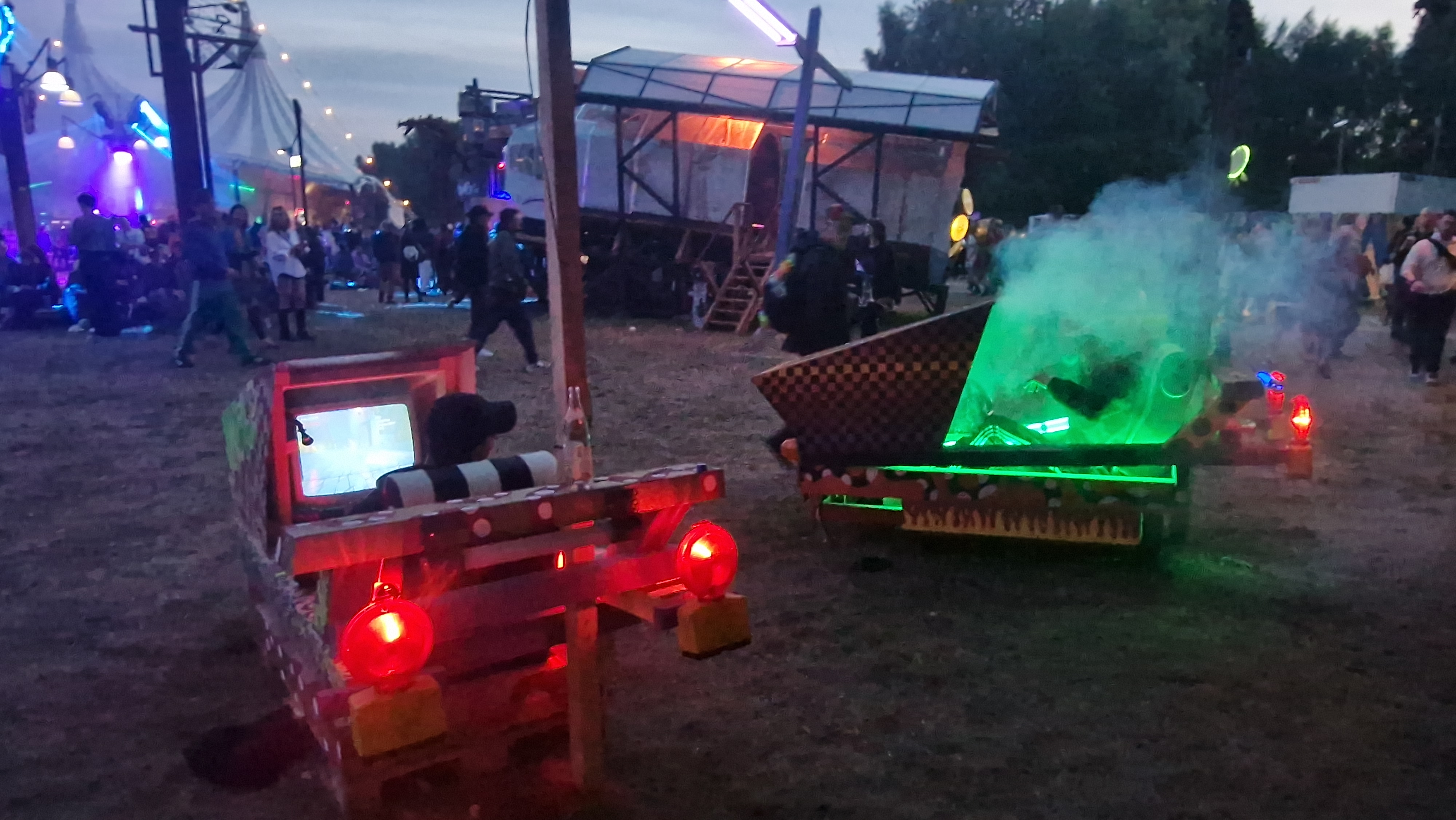
Festival Installation where two people play OSS-Mariokart, but instead of Koopas the in-game items squirt water or fog at the opponent or hit with the Poolnudelschlagapparat.
In this (german-language) episode of Code for Thought, Carina and I discuss how large language models can realistically support Research Software Engineering - from paper-code matching to a sober look at tool evaluation, limits, and hype vs. practice.
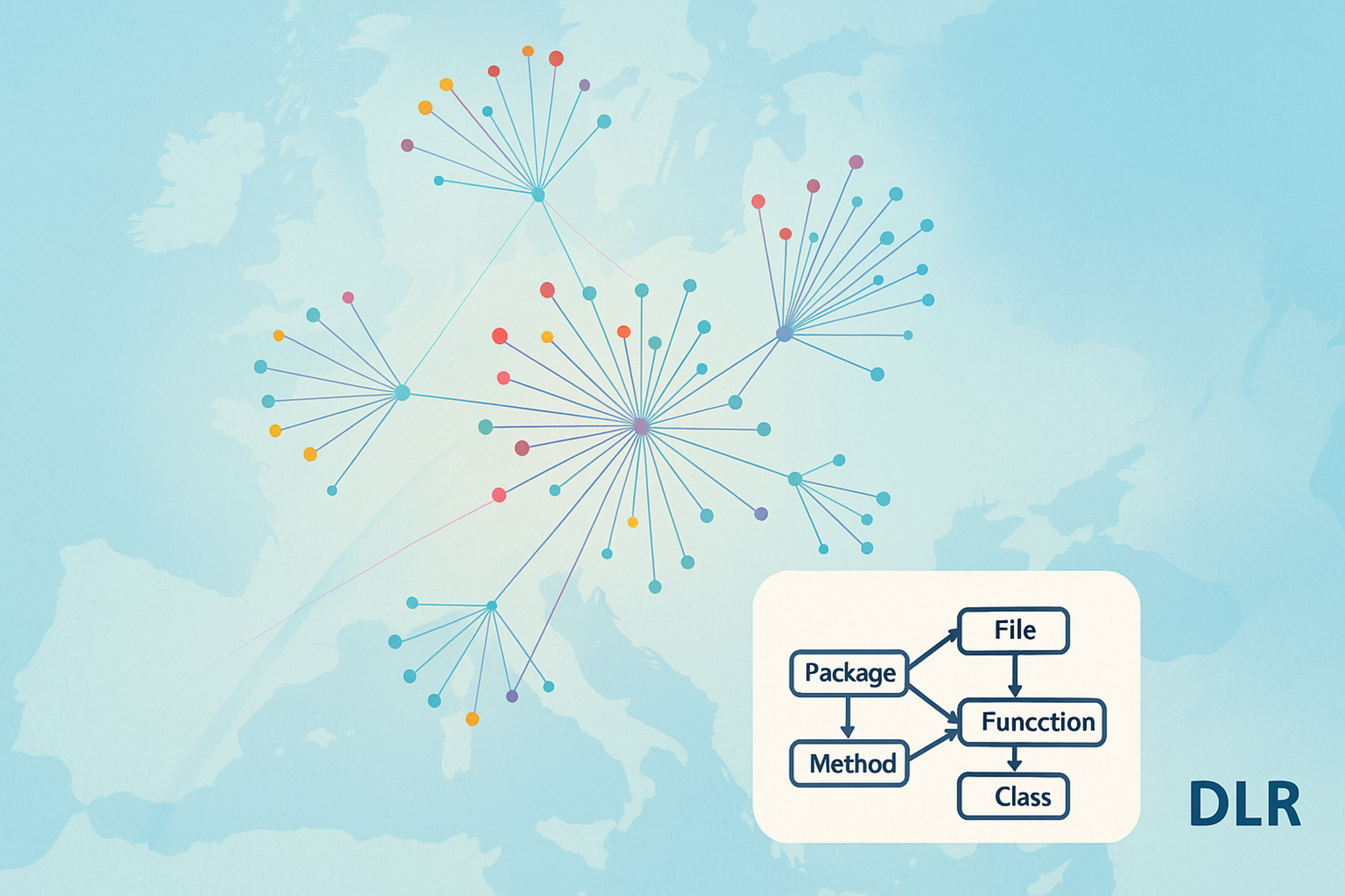
During my discontinued PhD at DLR, I developed and trained a graph neural network to combine code embeddings into repository-level representations and align them with scientific publications. Preliminary evaluation showed a promising improvement over pooling baselines, as a first step towards finding related implementations and their underlying assumptions across research fields.
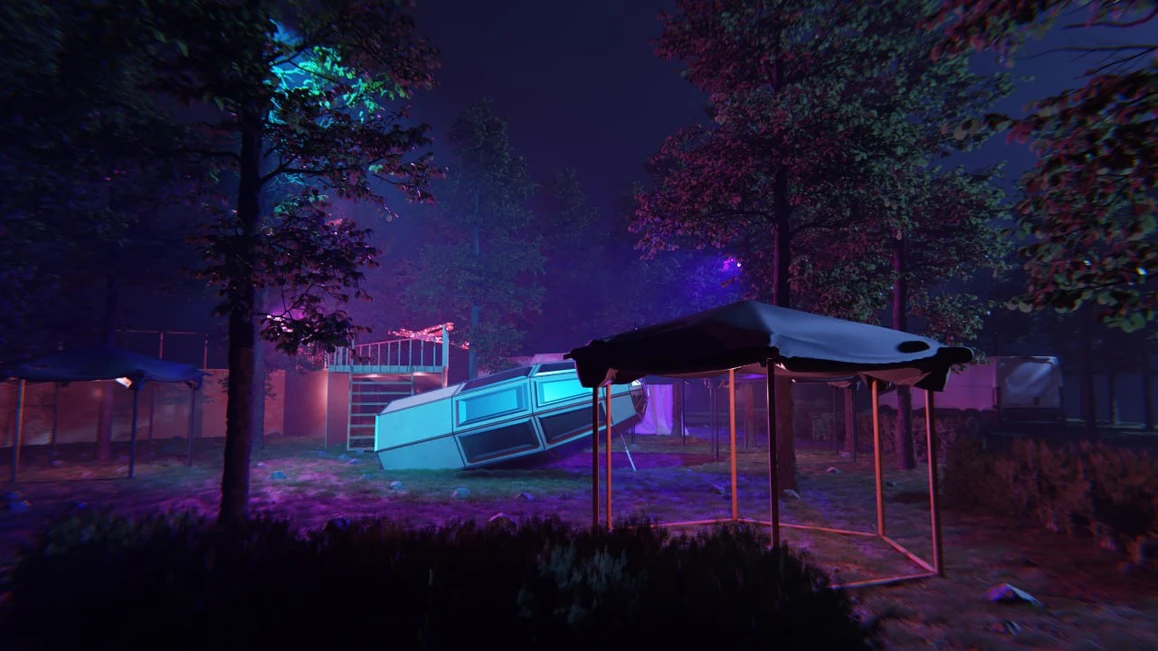
In 2024, for our Walden Floor at Zugvögel Festival, the visitor was immerged into the crash site of an alien spaceship, featuring multiple interactive installations next to our usual dancefloor.
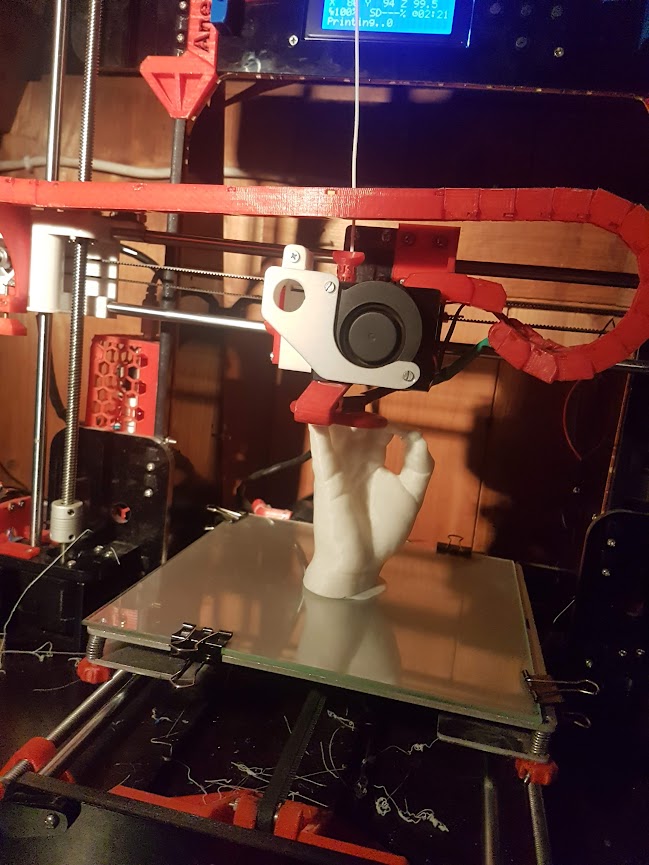
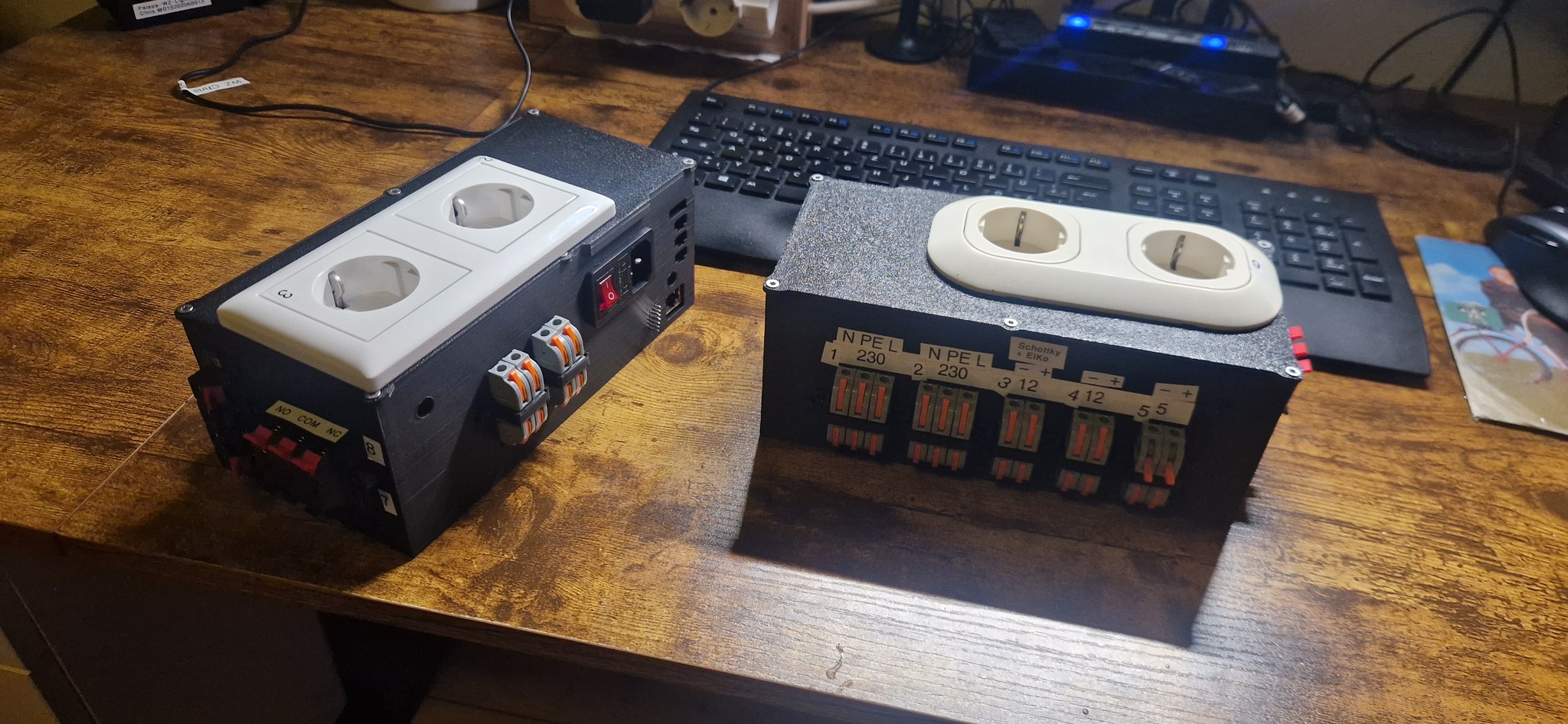
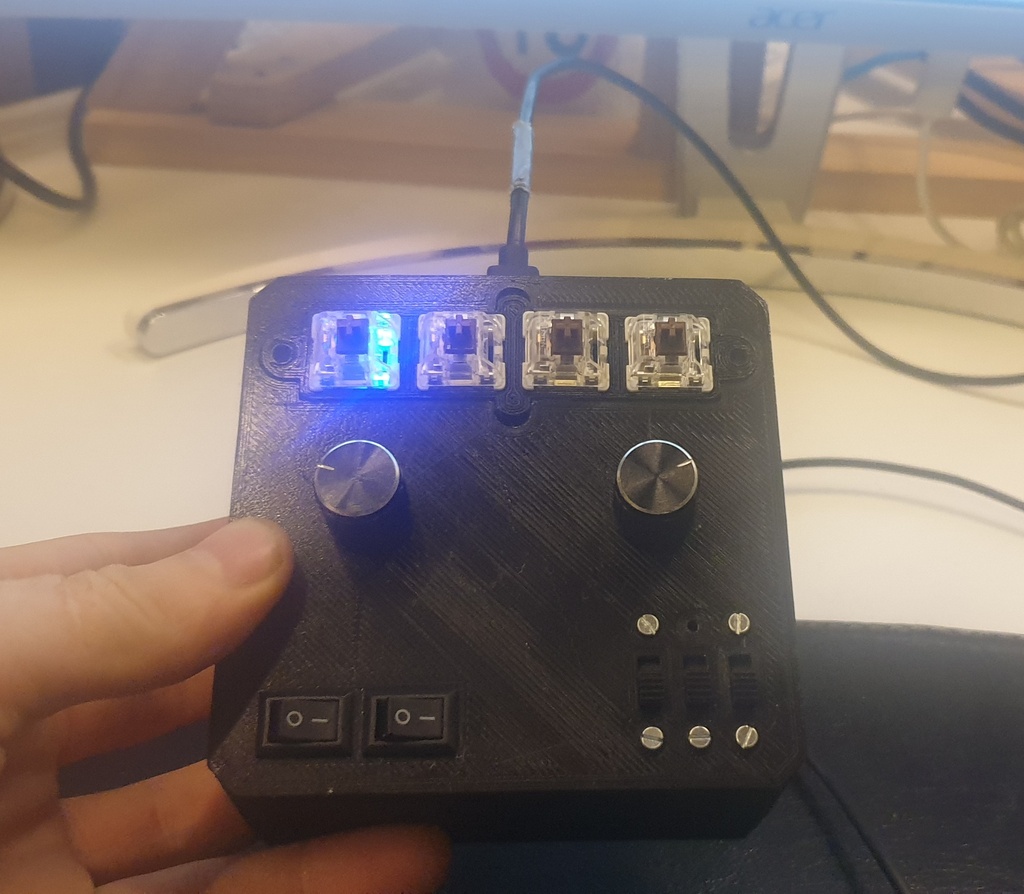
Having learned my ways on Theseus’ Anet A8 and now running a boringly reliable Bambu P1S, I use 3D printing and self-taught CAD as basic infrastructure for most of my hardware projects, some of which are listed here.
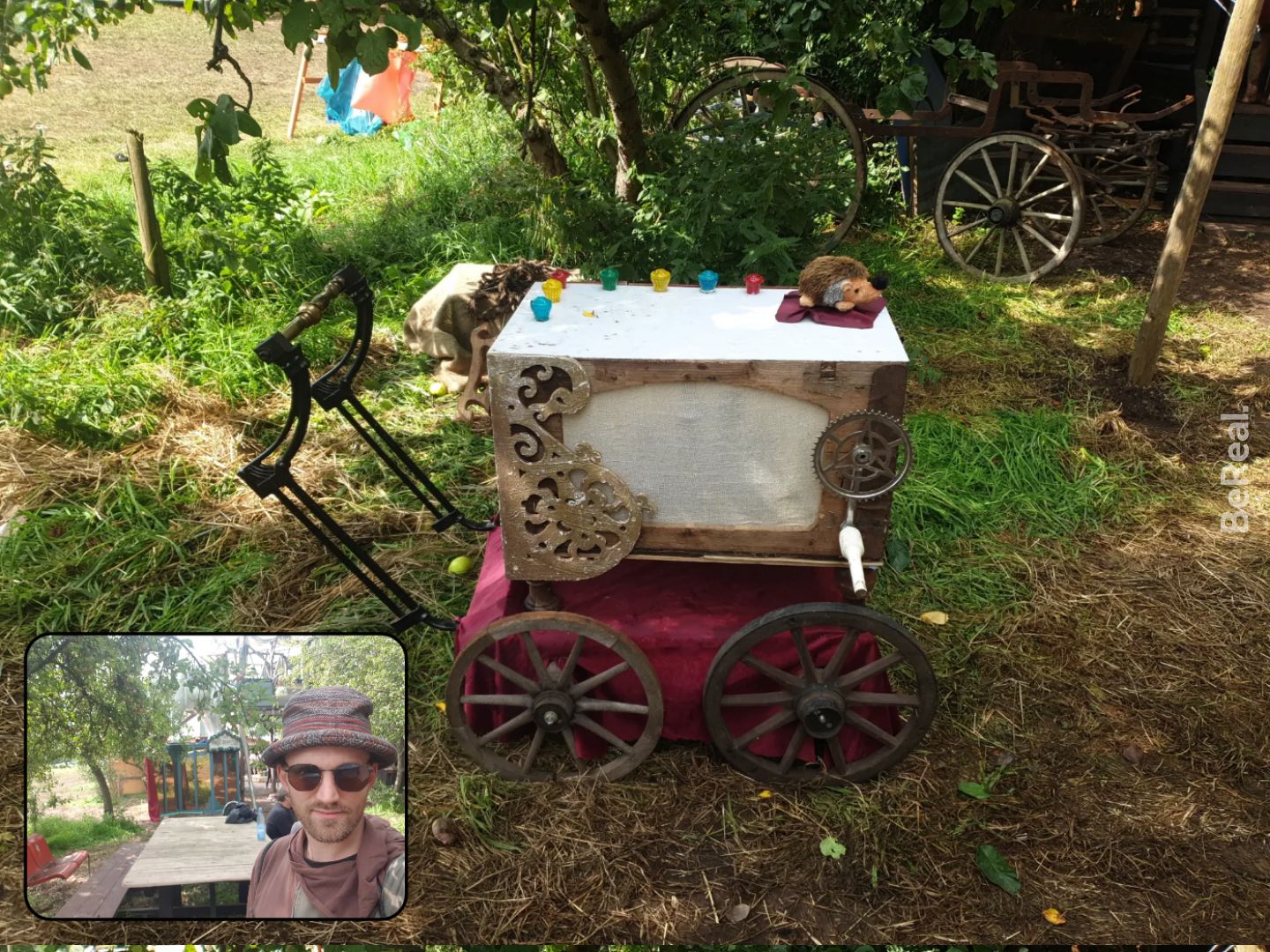
A digital version of a leierkasten build out of scrap material, implemented using a microcontroller and a Raspberry Pi
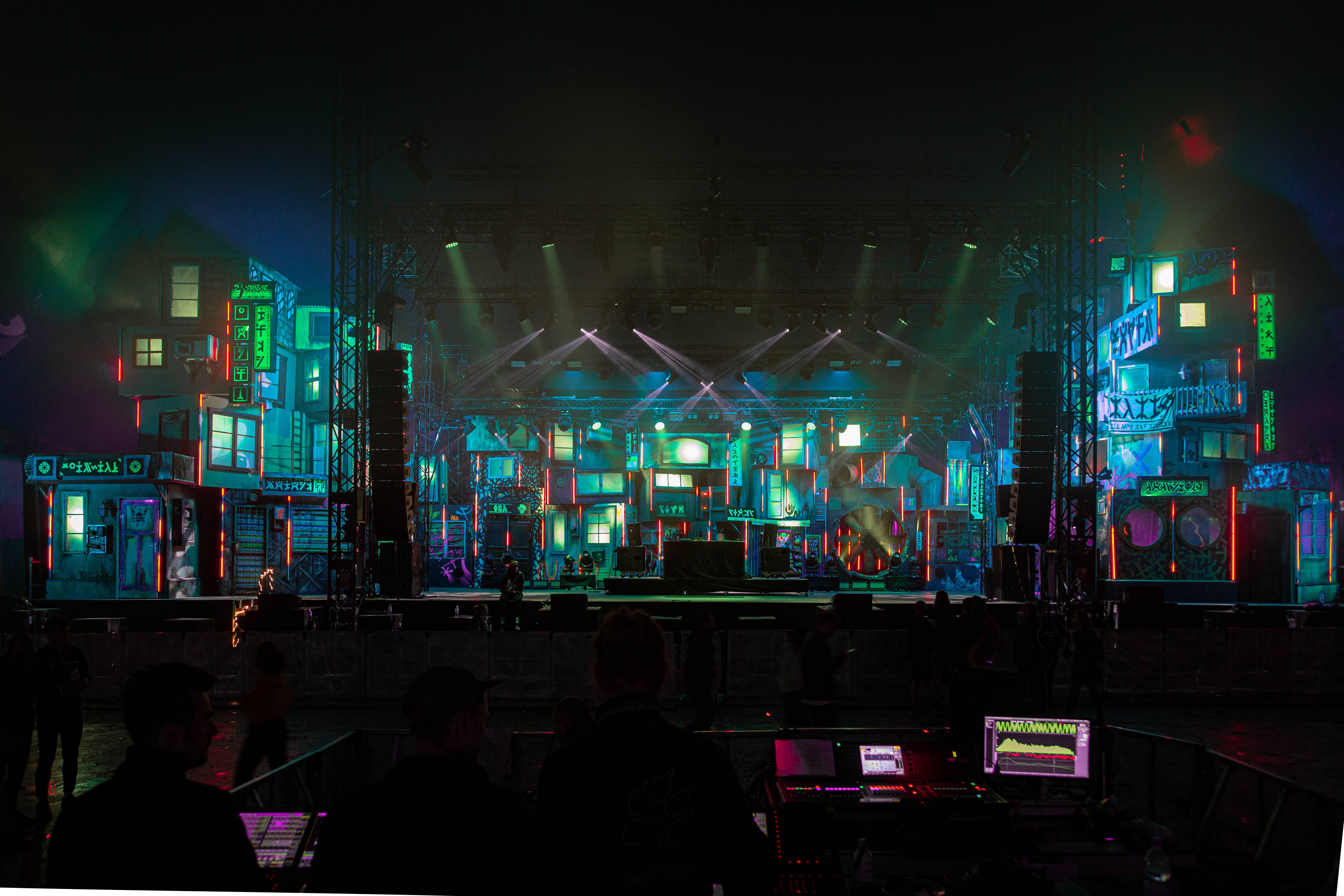
For the last three years I’ve been part of the crew behind Fusion Festivals largest Floor: Palapa — a collectively built, ever-changing “city of the future” and dance floor. We turn a 1,200 m² tent into a dense skyline of handmade structures, layered light, and countless small details.
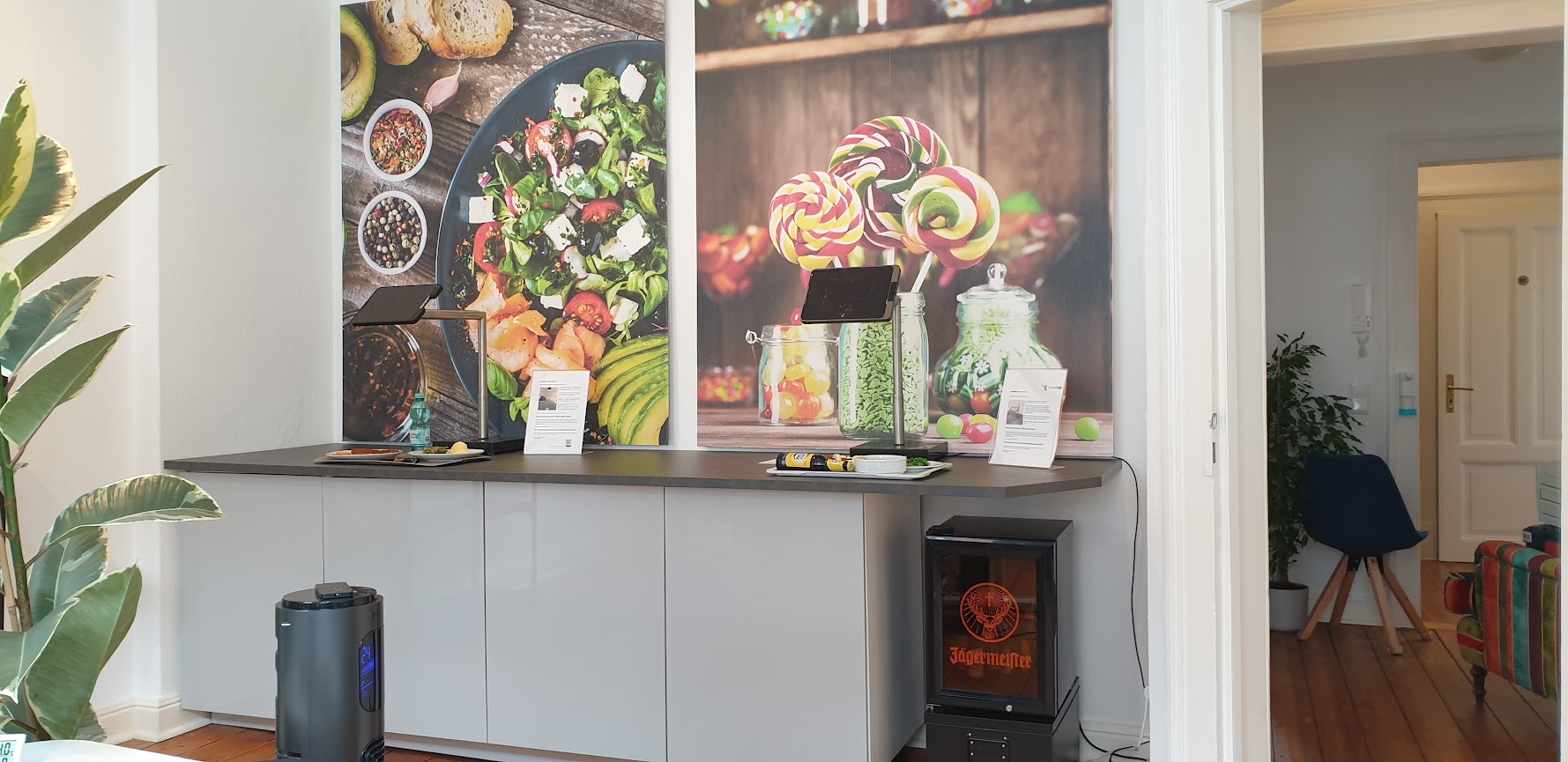
An automated self-checkout system that recognizes meals on canteen trays using an iPad and cutting-edge machine learning. In my 3 years at this company, I helped making the prototype a full-fledged widely used product.
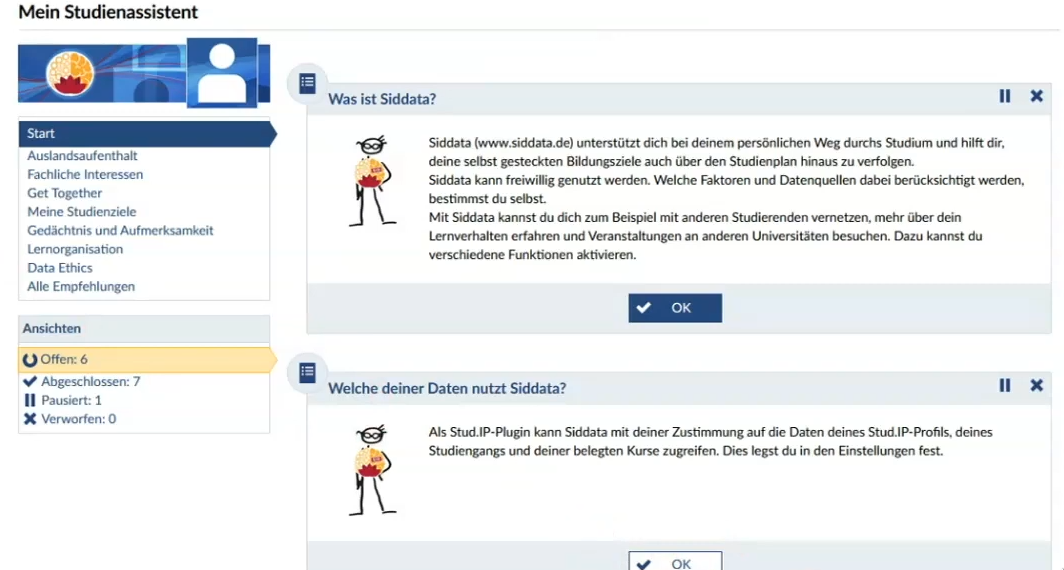
The Siddata project developed a digital study assistant that helps students find relevant courses, learning resources, and study partners using personalized recommendations. I developed machine learning recommenders and worked extensively on its Django backend, turning a research prototype that previously took days to deploy into a containerized, tested, and easily deployable system. My masters thesis was also conducted in the scope of this project.
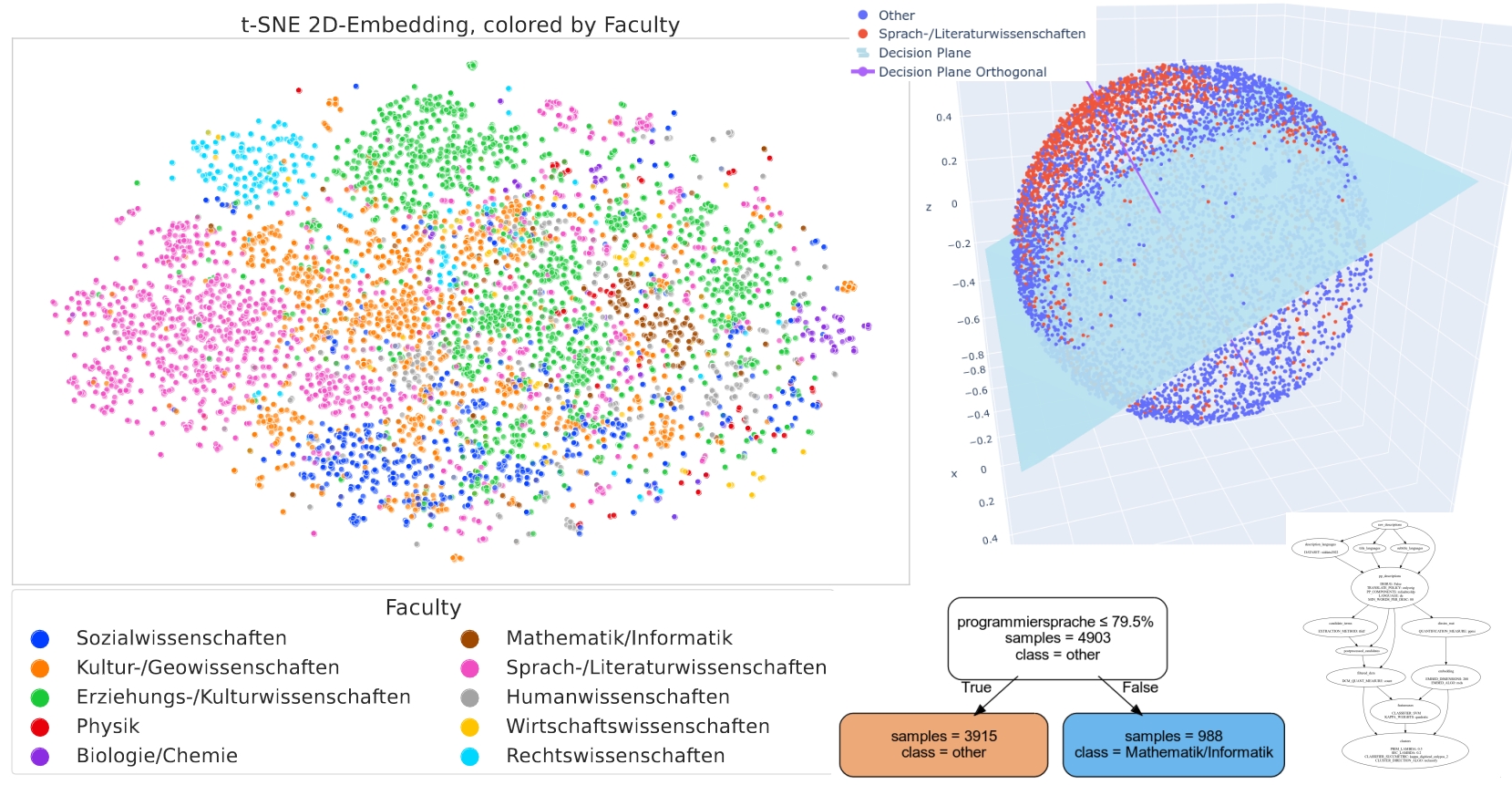
For this thesis, I created a Conceptual Space from Course Descriptions for explainable Recommendation, in a highly performant pipeline on the university-grid.
Sub-Pages:
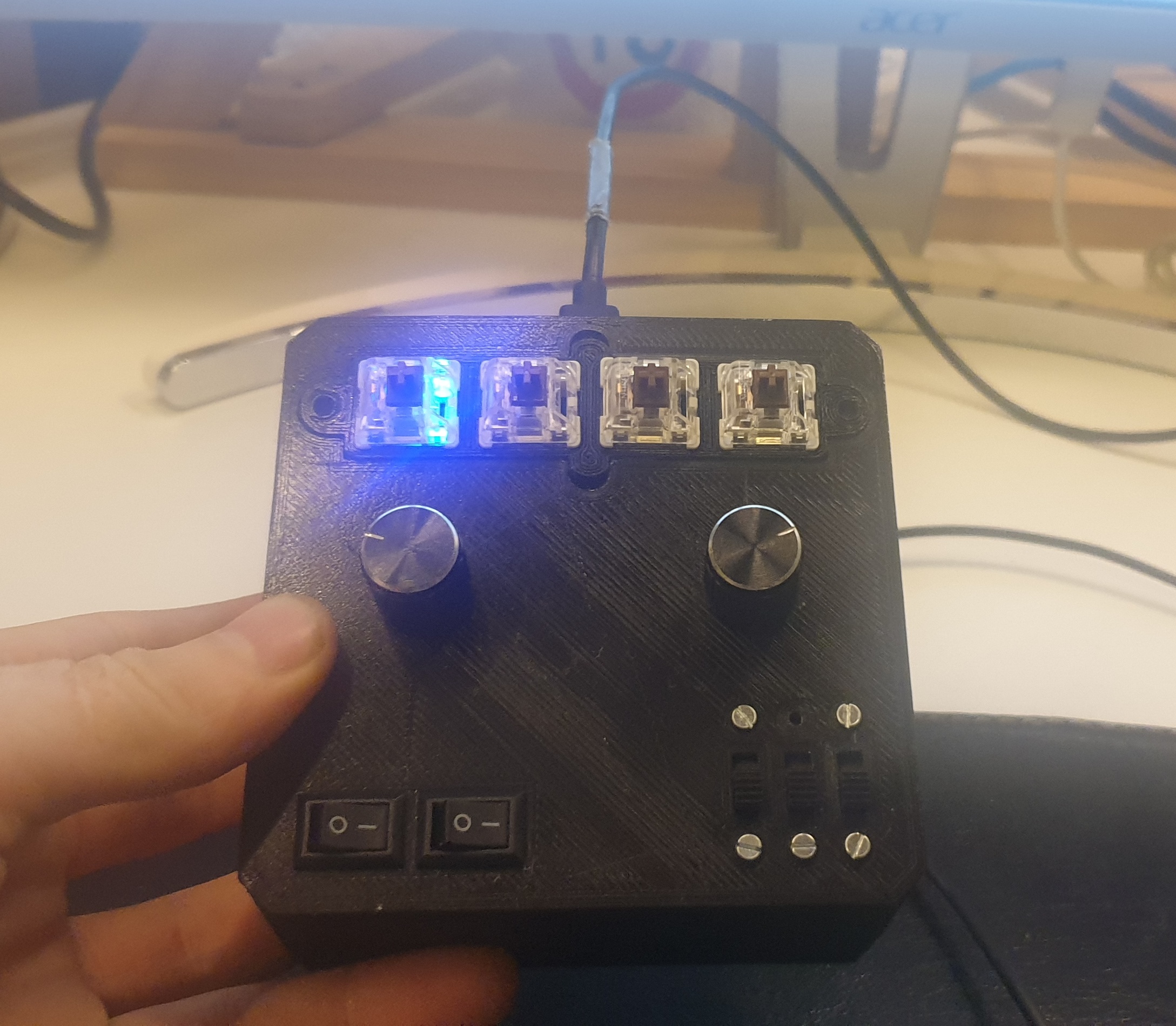
Multi-Purpose input device for controlling lights or just anything on your computer using 1 line of code each.
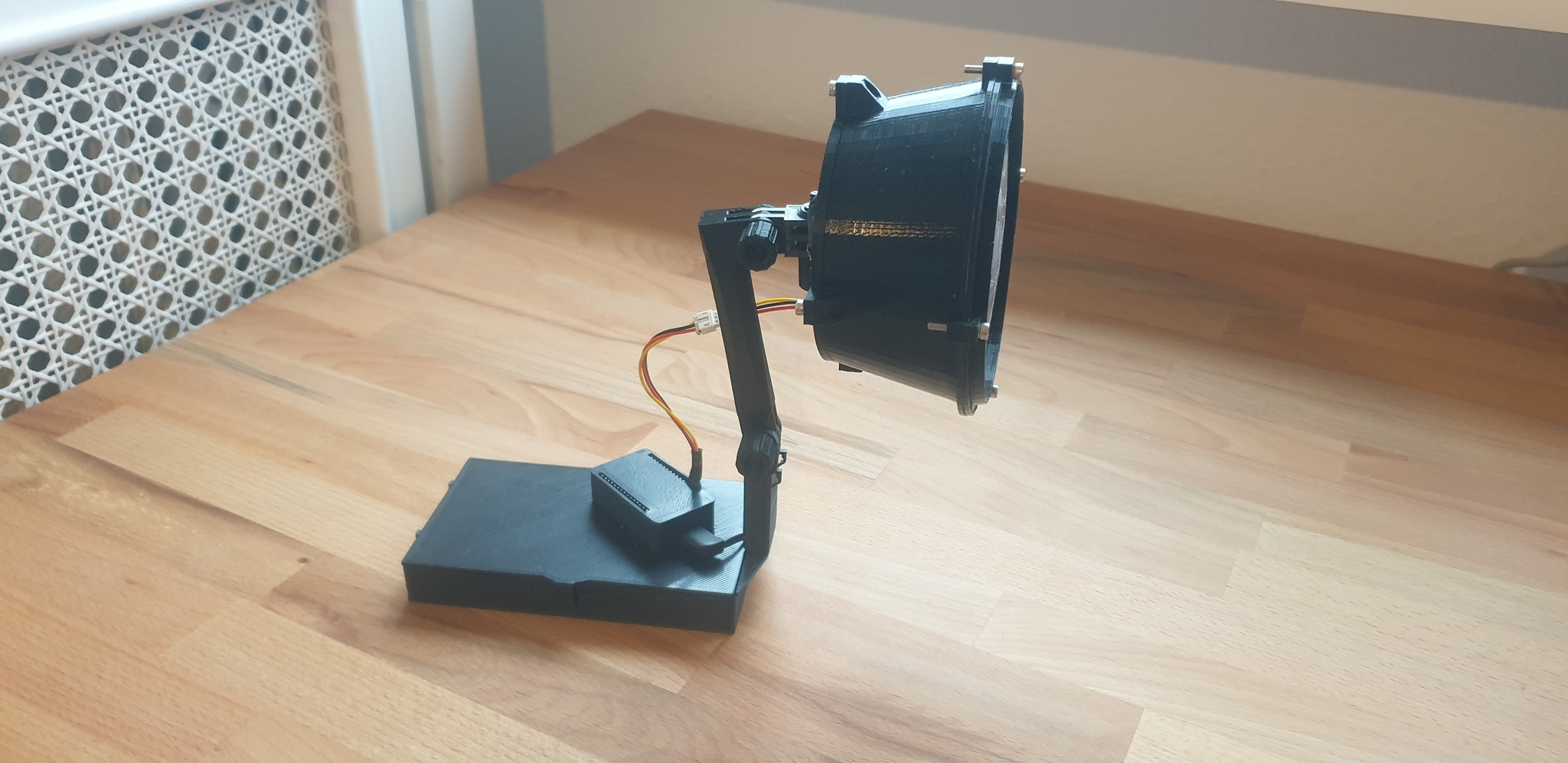
Custom-Printed setup of connected effect-lights for small events, controlled via ButtonBoard or Web-Interface
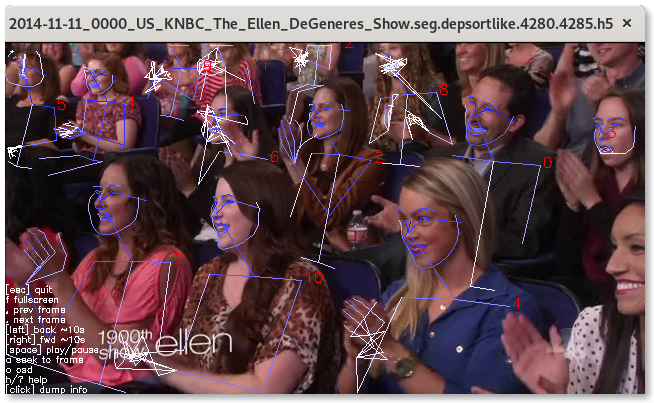
As a student research assistant at the Red Hen Lab, I worked on a video-processing pipeline for automatic gesture analysis in large video corpora. My work involved person tracking and identification using face recognition, shot segmentation, and deploying the pipeline on an HPC cluster using Snakemake and Singularity.
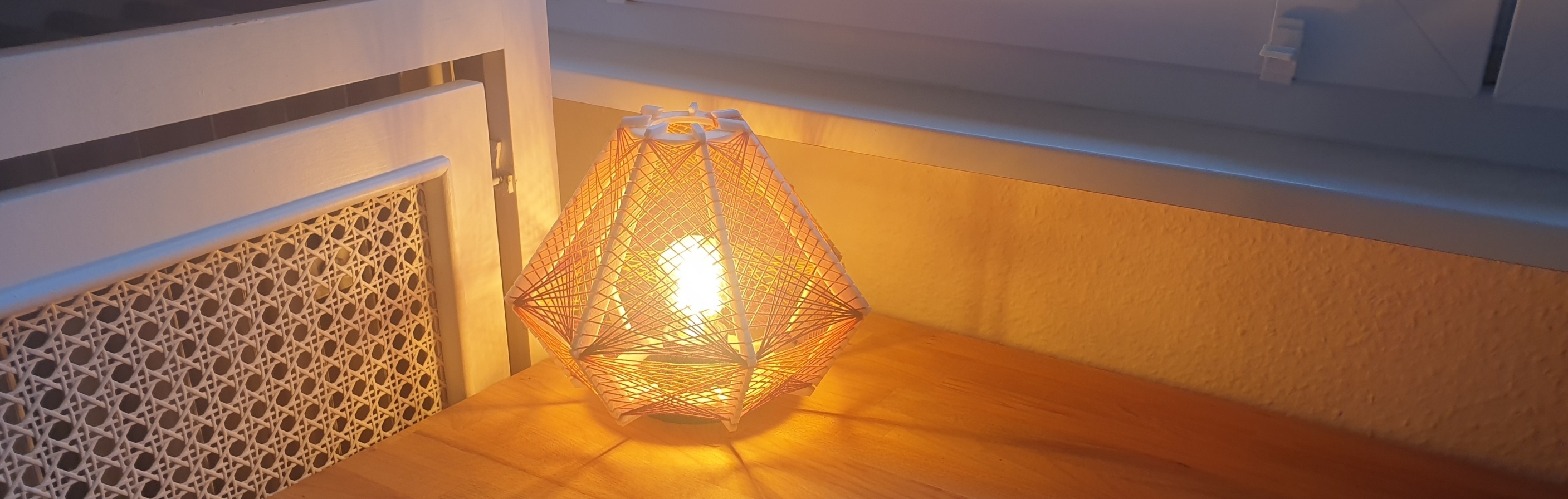
Easily build your own string art lamp with these premade 3D printable presets
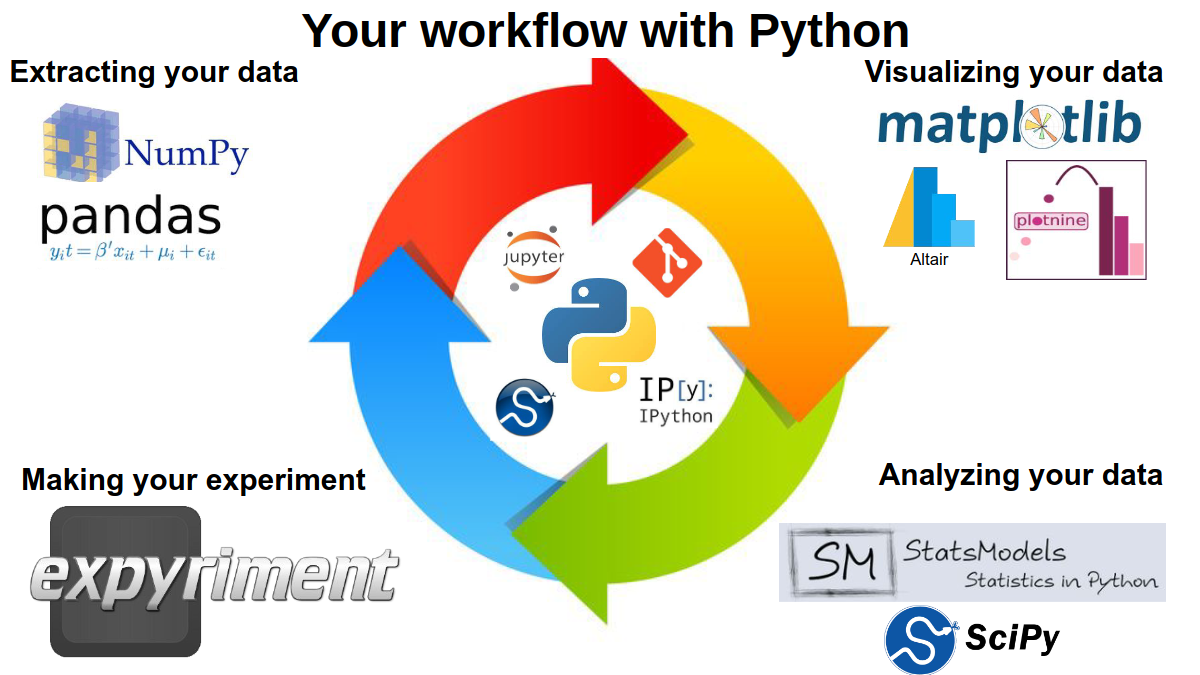
A comprehensive course, with lectures and interactive assignments, about Scientific Programming in Python, offered for three years at the University of Osnabrück.
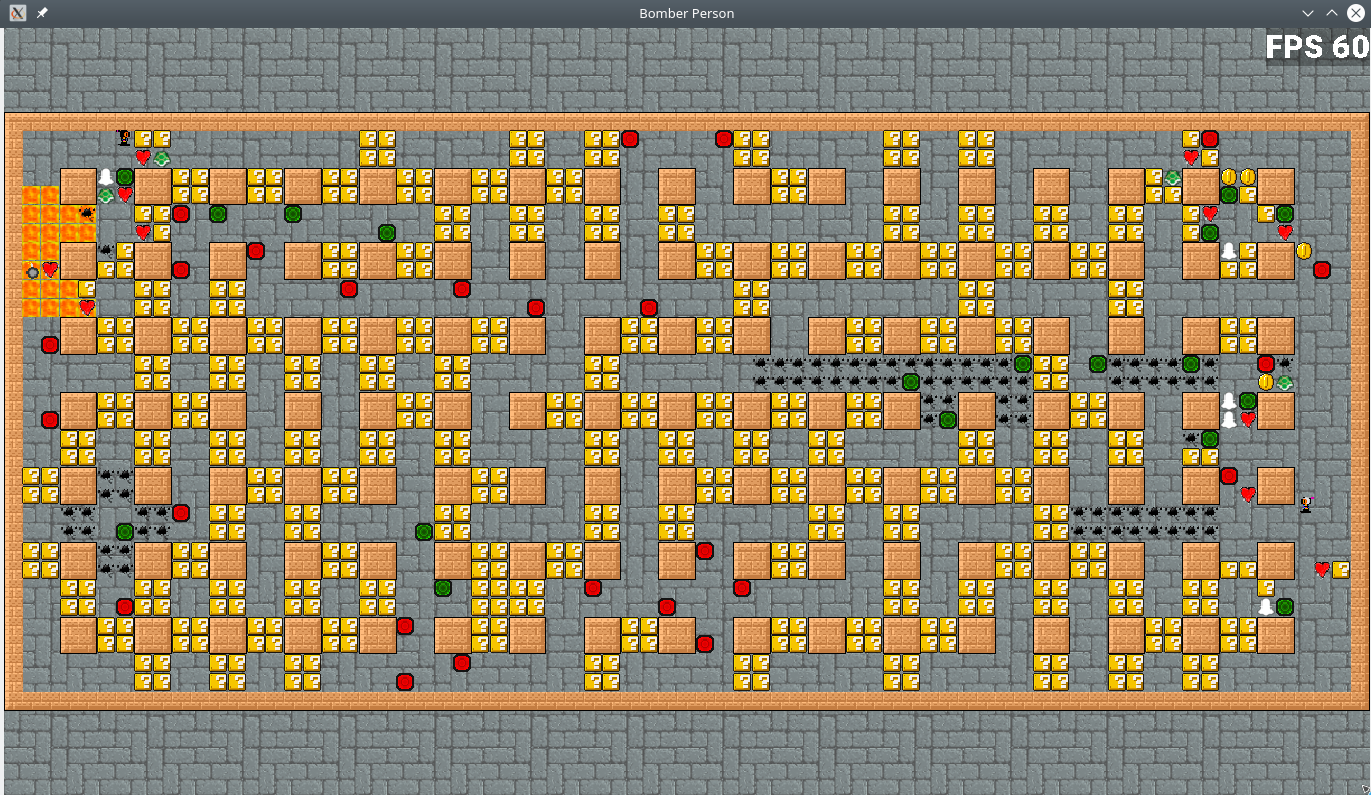
A Bomberman-inspired multiplayer game for 2-4 players, developed in C++ by a team of 11 students in just two weeks. Featuring a physics engine, a wide range of interactive items and power-ups, gamepad support, and a custom level editor.
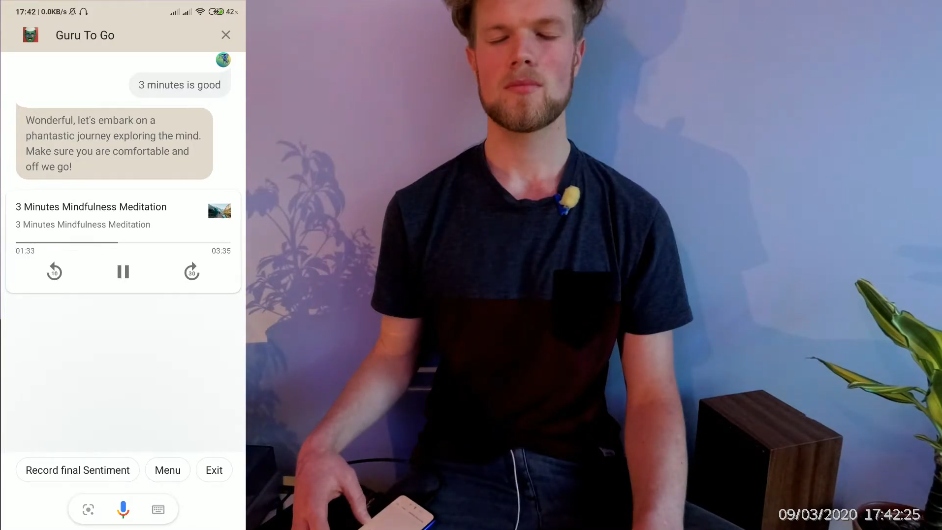
A speech-controlled meditation assistant and sentiment tracker
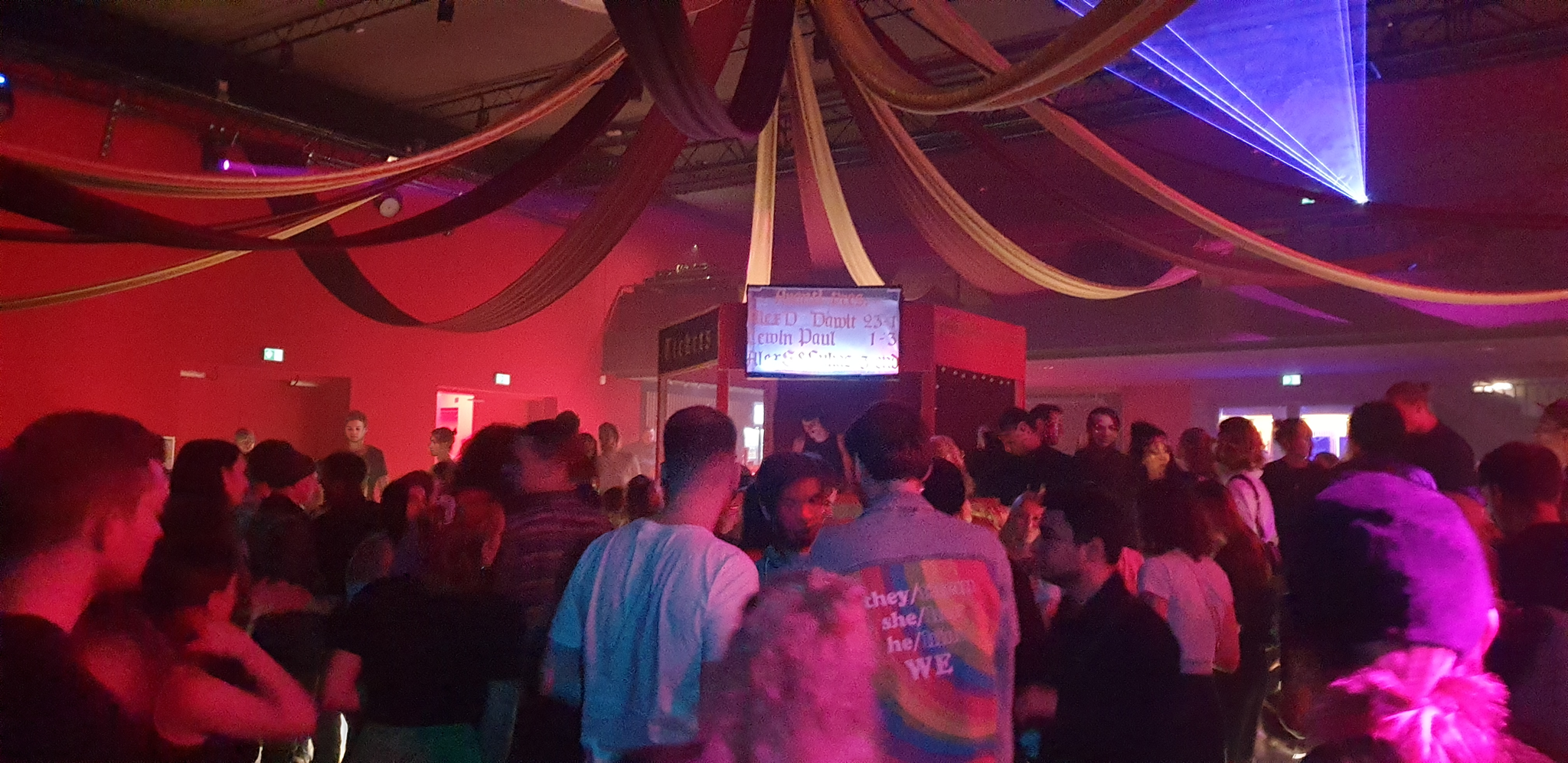
Throughout the years, our collective organized many techno-parties, throwing all our earnings into its decoration

An automated pipeline to split a bunch of scanned pages into single documents
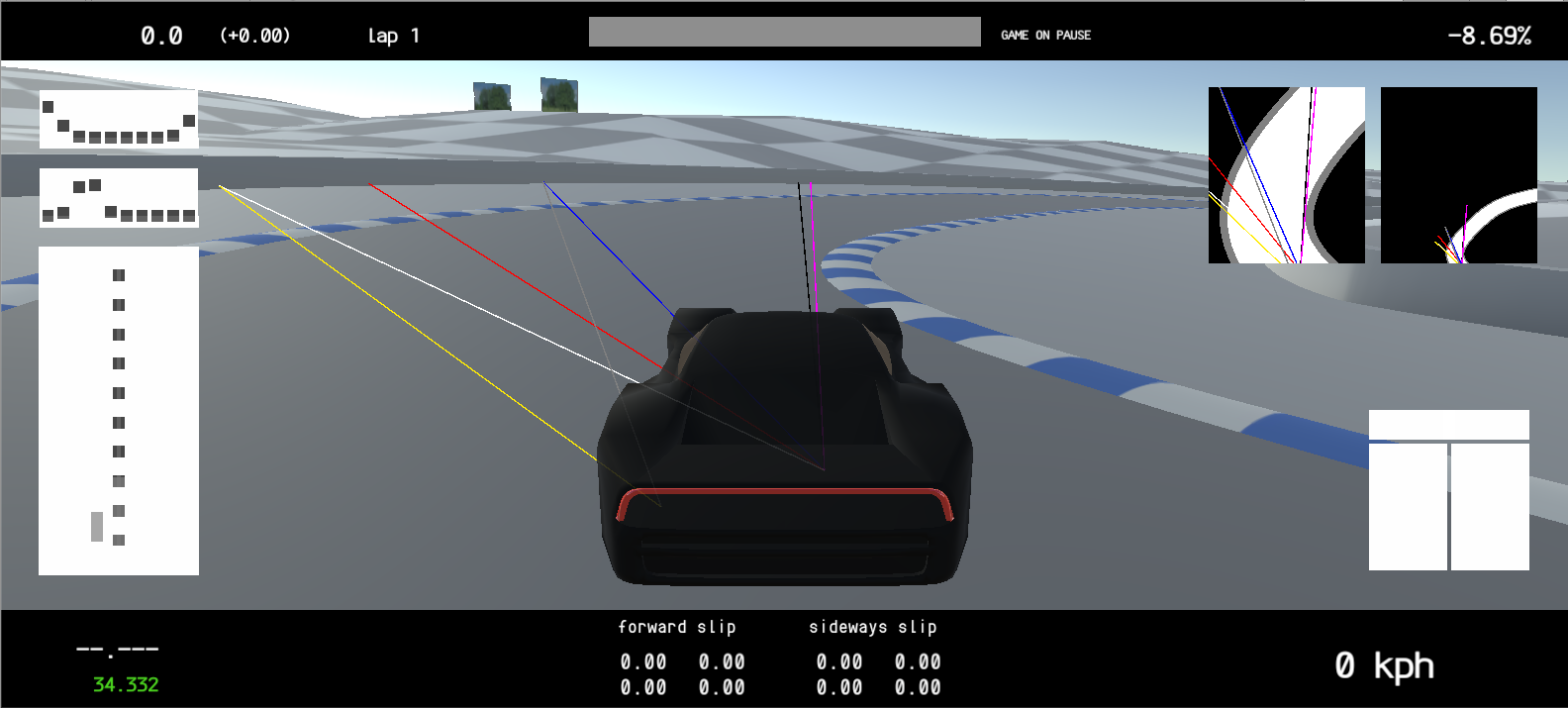
Delving into the realm of self-driving cars for my bachelor’s thesis, I endeavored to optimize their tactical decisions, particularly speed, using cutting-edge deep neural networks and reinforcement learning in tensorflow within a transformed racing simulation. The resulting research platform, built on Unity, showcased the potential of real-time feedback and adaptability, offering valuable insights into the future integration of reinforcement learning in self-driving cars.
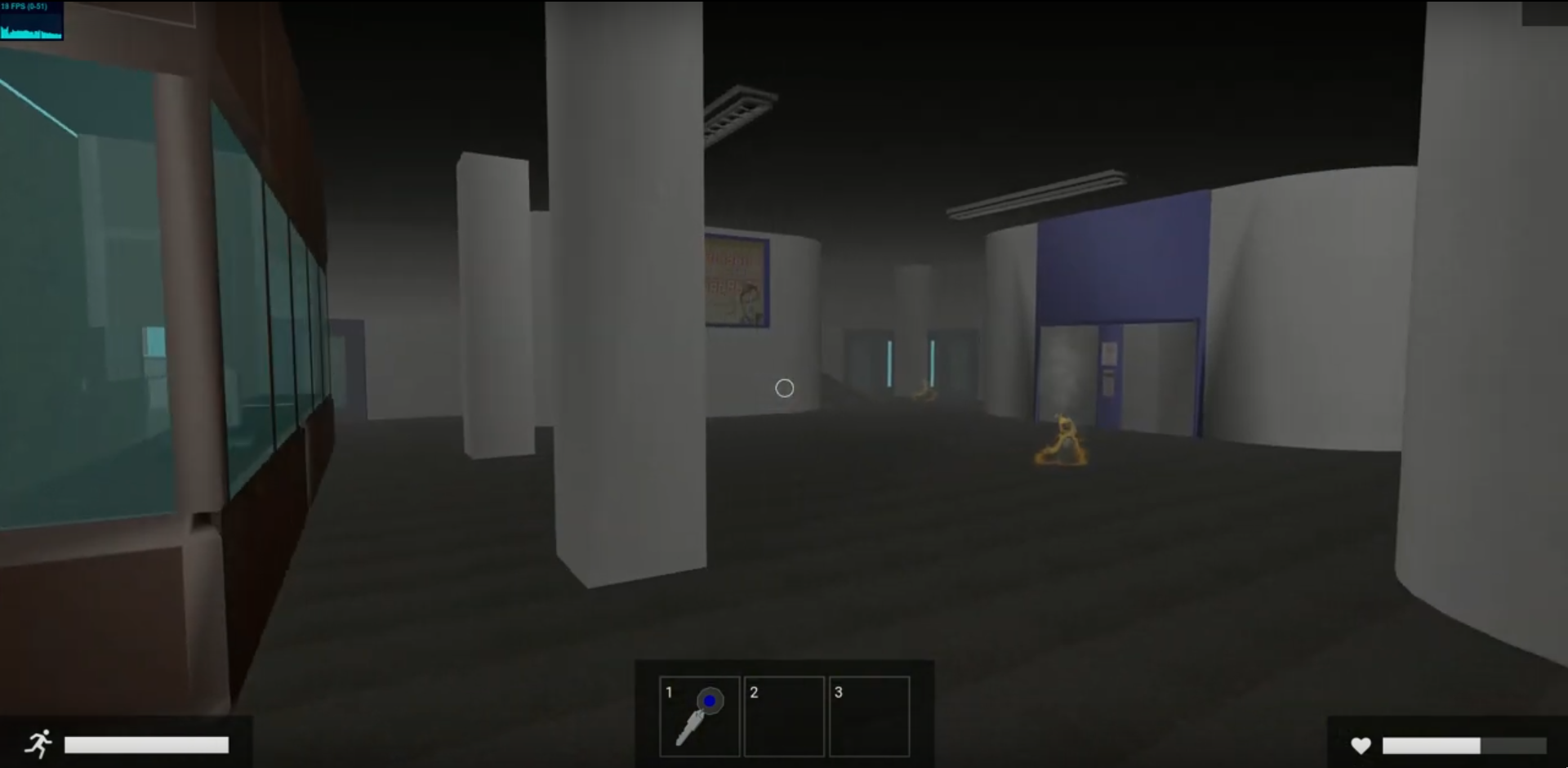
In this 3D-Browser-Game developed in a computergraphics-project using THREE.js, the player is trapped in the infamous burning AVZ and must try to escape this inferno. The player controls the in-game character and must overcome obstacles, puzzles and traps to get to the bottom and out of the AVZ. Play here!